The leaves of a famous Southeast Asian tree – Mitragyna Speciosa (Kratom) – are used to prepare a herbal drink that is commonly known as Kratom tea, but where to find kratom near me closest.
These leaves consist of various alkaloid components, including mitragynine and 7-hydroxy-mitragynine. The potential effects of tea largely depend on the amount of dose you consume.
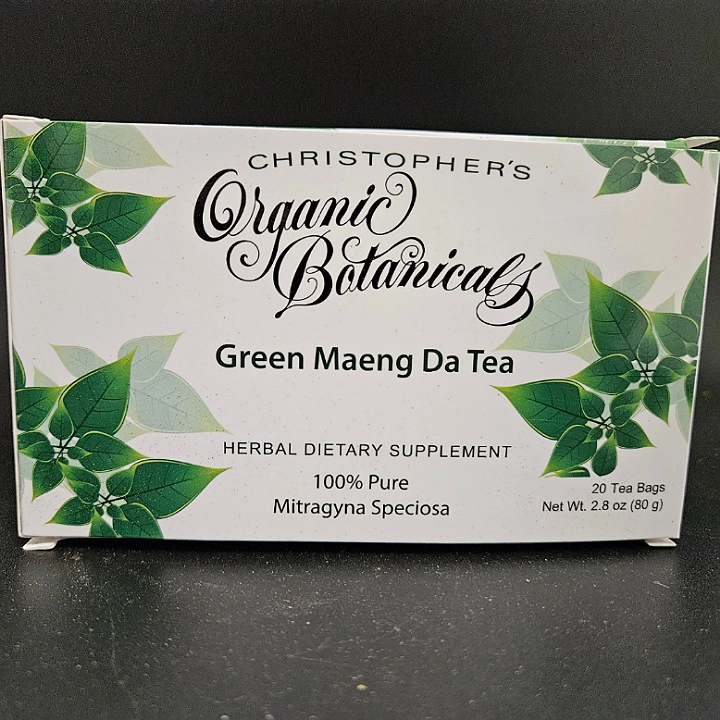
This article discusses the benefits of Kratom tea bags, how to prepare this tea, why it is better than other consumption methods and much more.
Benefits Of Kratom Tea
If you are looking for a convenient way to enjoy your Kratom journey, look no further than using Kratom tea to combine the potential benefits with ease of preparation.
- Easy Preparation: Unlike loose leaves or powder, these bags require little effort to prepare. All you need to do is put the tea bag in hot water, wait for a while, and drink.
- Smooth Taste: The tea bags are usually packed with finely ground Speciosa leaves, which is why they are less bitter than ingesting raw Kratom powder.
- Portability & Controlled Dosing: These bags are easy to carry, and you can brew them anywhere you want. Since they contain a consistent amount, there is no risk of overdosing.
How To Make Kratom Tea?
One of the primary reasons why many people prefer drinking kratom tea over other ingestion methods (leaves, powder, capsules, or extract) is that it tastes less bitter and more natural. It may be a source of attraction for you to think about how to make Kratom tea. Right?
There are many recipes for preparing Kratom tea. We will present two of them in the section below. The preparation method may vary depending on the raw material you use (loose Kratom leaves, tea bags, extract, or powder).
If you take loose Kratom leaves, you will need hot water and a reusable tea bag. Alternatively, you can use a cheesecloth or anything to strain your tea. Usually, it is recommended to steep the tea for up to 20 minutes. If you want to mask the bitter task of Kratom, you can use honey, lemon, or other flavor enhancers.
You can easily adjust the effects and strength of Kratom tea by adjusting the amount of Kratom while making it. You can cool the tea into an iced beverage or use it as a hot drink. However, you must be familiar with the local Kratom regulations, and you should use this herb responsibly.
Kratom Tea Recipes
Now that you know why people prefer taking Kratom tea, it is time to look at different methods to prepare this soothing drink.
1. Kratom Classic Tea
You should have all the ingredients before you go ahead. Below is a list of ingredients you need to make the classic tea.
- Crushed Kratom leaves or powder (2-5 grams)
- Water (2-3 cups)
- Sugar or honey (optional)
- Lemon juice (1 tablespoon)
Instructions
Here is how you can make the classic Kratom tea within minutes.
- Heat water, but make sure it does not boil.
- Add Kratom leaves or powder into warm water.
- Simmer for around 15 minutes. Keep on stirring occasionally.
- Use a coffee filter or a fine strainer to strain the tea.
- Add sugar/honey and lemon juice for taste.
- Serve the drink or enjoy it on your own.
2. Kratom & Ginger Tea
Before we get into the details of this Kratom tea recipe, let’s first see the ingredients required.
- Kratom powder (2-3 grams)
- Water (2-3 cups)
- Lemon juice (1 tablespoon)
- Honey (1 tablespoon)
- Grated fresh ginger (1 tablespoon)
Instructions
A quick step-by-step guide to making this tea is as follows.
- Boil water
- Add Speciosa powder and grated ginger into boiled water and simmer for 15 minutes.
- Strain the liquid and discard the plant material.
- Add honey and lemon juice to the strained liquid.
- Enjoy your classic Kratom tea.
Note: Adding honey and lemon juice enhances taste and improves alkaloid extraction.
How to Make Kratom Tea Taste Better?
If you find Kratom tea a bit bitter, consider the tips below to enhance its taste.
- Chill the Tea: Chilling your Kratom tea significantly reduces its bitterness. The steps include brewing, cooling, and refrigerating.
- Add Sweeteners: To enhance the taste, you can try plain sugar or other substitutes. Natural sweeteners include stevia and honey.
- Add Flavored Syrups: Flavored syrups, such as berry, vanilla, and caramel, are available to balance the taste of Kratom tea.
- Use Spices or Herbs: The addition of herbs or spices is another potential way to make the Kratom taste better. Mint introduces a refreshing kick, while ginger contributes a zesty touch.
- Add Citrus: Lime or lemon juice not only boost the effectiveness of alkaloids but also enhance the overall flavor.
Why Is Kratom Tea Better Than Other Ingestion Methods?
If you are wondering why Kratom tea is better than other methods of ingestion, look at the factors below to understand why it stands out.
- Personalized Experience: You can easily get a customizable taste by adding ginger, honey, or lemon to your Kratom tea. In addition, you can enjoy it in iced or hot form for unique experiences.
- Flexible Dosing: It allows you to adjust your dose’s strength by varying the amount of Kratom leaves or powder.
- Quick Absorption: Kratom powder, capsules, or extract take more time to absorb than tea. In addition, it enables you to avoid experiencing sudden bitterness or intensity.
- Smooth Digestion: Unlike raw Kratom powder, Kratom tea is easy for consumers to digest. If you have a sensitive stomach, brewing tea is the perfect option.
How To Store Kratom Tea?
If you are concerned about the flavor, freshness, and potency of your Kratom tea, don’t forget to store it in a proper place. Below are a few tips to consider.
- Short-Term Storage: Storing the tea in the refrigerator is good if you want to drink it within 5-7 days. Use an airtight bottle or glass jar to prevent contamination and oxidation. To preserve Kratom alkaloids, you can add lemon juice.
- Long-Term Storage: If you want to store the Kratom tea for a week or more, freeze it in sealed containers or ice cube trays to protect the potency and freshness for a couple of months.
- Avoid Air and Light Exposure: Always store the tea in a cool, dry place to prevent degradation.
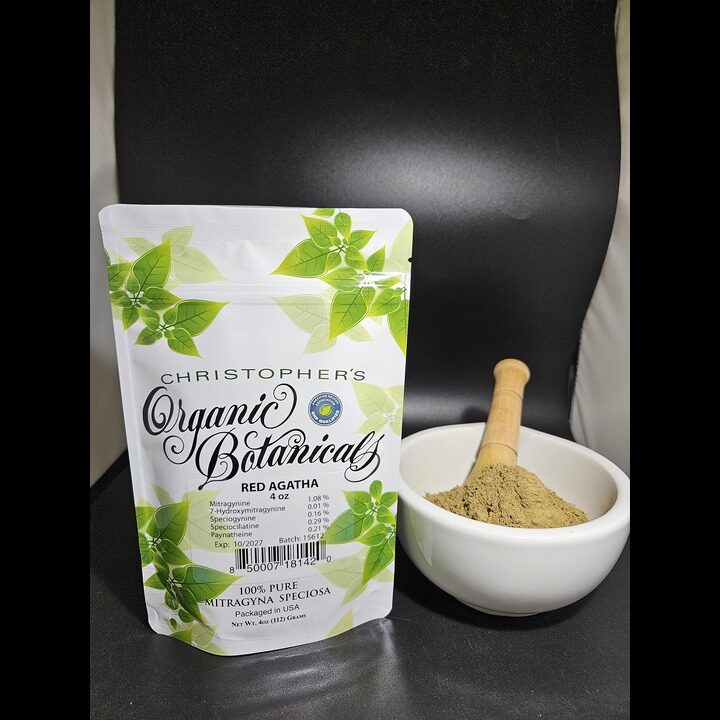
Buy Kratom Tea Near Me From Christopher’s Organic Botanicals
Though several stores sell Kratom tea, your options are limited when you look for nearby vendors. Plus, not all sellers provide you with fresh and potent stuff.
Are you worried about buying 100% fresh and highly potent Kratom tea powder or Kratom tea drinks with enhanced alkaloid concentration? Look no further than Christopher’s Organic Botanicals. It offers premium-quality tea and stands out in the market with competitive prices and positive customer reviews.
If you are looking for Kratom tea for sale to make a great purchase or refer a trusted seller to your loved ones, try Christopher’s Organic Botanicals, and you will be happy with the outcomes.
Kratom Tea Powder FAQ – For New Users
Christopher’s Organic Botanicals – Trusted, Tested, Traditional
Understanding Kratom
1. What is kratom?
Kratom (Mitragyna speciosa) is a natural leaf from Southeast Asia, traditionally used as a tea for centuries.
2. What is kratom tea powder?
Kratom tea powder is made from dried, ground kratom leaves. It’s designed to be steeped or simmered into a tea.
3. Is kratom legal in the United States?
Yes, federally—but a few states and counties have banned it. Check your local laws before purchasing.
4. Is kratom a synthetic or opioid drug?
No. Kratom is a natural botanical. Synthetic substances like 7-OH are not pure kratom and should be avoided.
5. How does kratom work in the body?
The primary alkaloids, such as mitragynine, interact with natural receptor systems in the body, such as adrenergic and serotonergic pathways.
Getting Started with Kratom Tea
6. How do I prepare kratom tea?
Simmer 2–4 grams of powder in hot water (not boiling) for 15–20 minutes. Strain and enjoy.
7. How much kratom should a beginner use?
Start low with 1–2 grams. Everyone reacts differently. Gauge your personal sensitivity.
8. What time of day is best for kratom tea?
Most people drink it in the morning or early afternoon to support energy and mood.
9. Can I mix it with other ingredients?
Yes—lemon juice, ginger, and honey are common additions to improve taste and help alkaloid extraction.
10. How long until it kicks in?
Most people feel effects within 20–45 minutes of drinking.
Effects & Experience
11. What does kratom tea feel like?
It can promote a sense of calm, focus, or motivation—depending on strain and amount used.
12. How long do the effects last?
Typically 3–5 hours depending on the strain, serving size, and your metabolism.
13. Can kratom feel both energizing and relaxing?
Yes. Lower servings often feel more energizing, while higher amounts may feel more calming.
14. Why does it affect people differently?
Your unique body chemistry, hydration level, and diet can all impact how kratom feels.
15. What are the common strain types?
Green, Red, and White.
- Green: Balanced
- Red: More relaxing
- White: More stimulating
Serving Size & Frequency
16. How often can I drink kratom tea?
Once or twice daily is typical. Regular breaks are a good habit.
17. What happens if I use too much?
Too much can lead to nausea, dizziness, or feeling unwell. Start small and go slow.
18. Can I use it daily?
Yes, but it’s important to take occasional breaks to avoid building tolerance.
19. What is tolerance?
It’s when your body gets used to kratom, requiring more to achieve the same results.
20. How do I avoid tolerance?
Use the lowest effective amount, rotate strains, and take rest days.
Safety & Best Practices
21. Is kratom tea addictive?
Kratom can be habit-forming if used excessively. Responsible use is key.
22. Are there withdrawal symptoms?
Heavy users may feel irritable or tired after stopping. Mild symptoms are more common.
23. Can kratom interact with medications?
Yes. Always talk to a doctor before mixing kratom with prescription drugs.
24. Can I drive after drinking kratom?
Avoid driving until you know exactly how kratom affects you.
25. Should I take it with food?
You can, but it may delay effects. An empty stomach usually brings faster results.
Product Quality & Testing
26. How do I know if my kratom is pure?
Only buy from companies that conduct third-party lab testing and post results publicly.
27. Why is lab testing important?
It ensures your product is free from contaminants like heavy metals, mold, and pathogens.
28. What does “plain leaf” mean?
It’s unaltered kratom leaf—no extracts, no synthetics, just traditional ground powder.
29. How should I store kratom?
Keep it in a sealed container in a cool, dry place away from sunlight.
30. How long does kratom powder stay good?
When stored properly, kratom can remain potent for a year or longer.
Strain Information
31. What’s the difference between Red, Green, and White?
- Red: More relaxing
- Green: Balanced
- White: Uplifting and energetic
32. What is Maeng Da?
A well-known strain blend known for its strength and longer-lasting effects.
33. Is one strain better than the others?
That depends on your body and needs. Many rotate strains to keep effects consistent.
34. Can I mix strains?
Yes. Blending strains is common and can create unique, tailored effects.
35. Why does the same strain feel different sometimes?
Seasonal harvests, batch variation, and your internal state can influence effects.
Common Concerns
36. Is kratom safe long-term?
Many users report long-term benefits from responsible use. Research is ongoing, and purity matters.
37. Can kratom hurt the liver?
Pure kratom has not been linked to liver damage in traditional use. Adulterated products are the bigger risk.
38. Why is kratom controversial?
It’s misunderstood and often lumped in with synthetic drugs or misrepresented by the media.
39. Can I travel with kratom?
Only if it’s legal where you’re going. Check local and international laws first.
40. Is there a difference between tea and capsules?
Yes. Tea usually acts faster; capsules are more convenient but slower to kick in.
Community & Advocacy
41. Is there a kratom community?
Yes—strong and growing. You’ll find many people sharing tips and supporting one another online and in advocacy groups.
42. What is the KCPA?
The Kratom Consumer Protection Act is a law that enforces testing, labeling, and banning synthetic additives in kratom.
43. How can I support kratom?
Stay informed, contact your legislators, and support companies that prioritize safety and advocacy.
44. Are there real stories of success with kratom?
Absolutely. Many have found a better quality of life by using kratom tea responsibly.
45. What are the biggest myths about kratom?
That it’s an opioid or synthetic drug. In reality, it’s a natural tea leaf with a long history of traditional use.
Buying Smart
46. Where should I buy kratom?
From reputable vendors like Christopher’s Organic Botanicals, who provide lab-tested, pure plain leaf kratom.
47. Why avoid smoke shop kratom?
Many are untested, mislabeled, or contain synthetic additives. Stick with trusted sources.
48. What makes a kratom vendor trustworthy?
Transparency, third-party testing, customer education, and ethical sourcing.
49. What should I look for in product descriptions?
Clear origin, serving size suggestions, strain type, and lab testing results.
50. How can I keep learning?
Follow our blog, join advocacy groups like the AKA, and talk with experienced users.