Agency distinguishes between synthetic kratom derivatives and the traditional kratom leaf — a win for truth and responsible use in the context of the ongoing 7-oh ban.
The FDA and 7-OH
In summary, the FDA’s actions regarding 7-OH should not overshadow the longstanding traditions and safe use of natural kratom. By drawing a clear distinction between synthetic derivatives and whole-leaf kratom, we can protect consumers and uphold the integrity of this ancient remedy. The focus must remain on promoting responsible use and providing accurate information to the public. The dialogue surrounding the 7-oh ban continues to evolve, encouraging both support for natural remedies and vigilance against harmful synthetic products.
On July 29, 2025, the U.S. Food and Drug Administration announced a major move to restrict 7-hydroxymitragynine (7-OH) — a powerful, lab-enhanced opioid compound sometimes confused with kratom. This is a defining moment for the kratom industry, especially in the context of the 7-oh ban.
Understanding the context of the FDA’s actions involves a dive into the historical use of kratom. Traditionally, kratom has been utilized in various cultures for its stimulant and sedative effects, depending on the dosage. In Southeast Asia, kratom leaves have been consumed for centuries, providing relief from pain and fatigue. This cultural significance underscores the importance of distinguishing between the natural leaf and its synthetic derivatives.
And make no mistake: This is not a ban on kratom.
The FDA’s actions are laser-focused on 7-OH, not on the natural kratom leaf that has been used safely for centuries.
FDA Takes Steps to Restrict 7-OH Opioid Products
“The FDA is specifically targeting 7-OH… it is not focused on natural kratom leaf products.”
That statement — straight from the FDA — is long overdue.
Moreover, the rise of synthetic products has raised concerns among health professionals. Unlike the natural kratom leaf, which offers a range of alkaloids that contribute to its effects, synthetic derivatives like 7-OH can be manufactured with varying potencies and unknown side effects. This unpredictability can lead to serious health implications for users who may not be aware of what they are consuming.
Consumer awareness campaigns are also vital. By informing the public about the risks associated with synthetic derivatives and the benefits of traditional kratom, we can empower users to make informed decisions. Educational resources could include workshops, webinars, and informative content shared through social media platforms, ensuring that accurate information is readily available to all.
7-OH is not kratom. It’s a semi-synthetic derivative that’s been slipped into capsules, gummies, shots, and drinks, then sold in gas stations and vape shops across the country — often under the false label of “kratom.” These products have misled the public, endangered lives, and damaged the reputation of the traditional plant.
We do not support prohibition. Never have. But we firmly believe this:
There must be a distinction between whole-leaf kratom and 7-OH.
And for too long, there hasn’t been.
Not all Kratom products are Equal
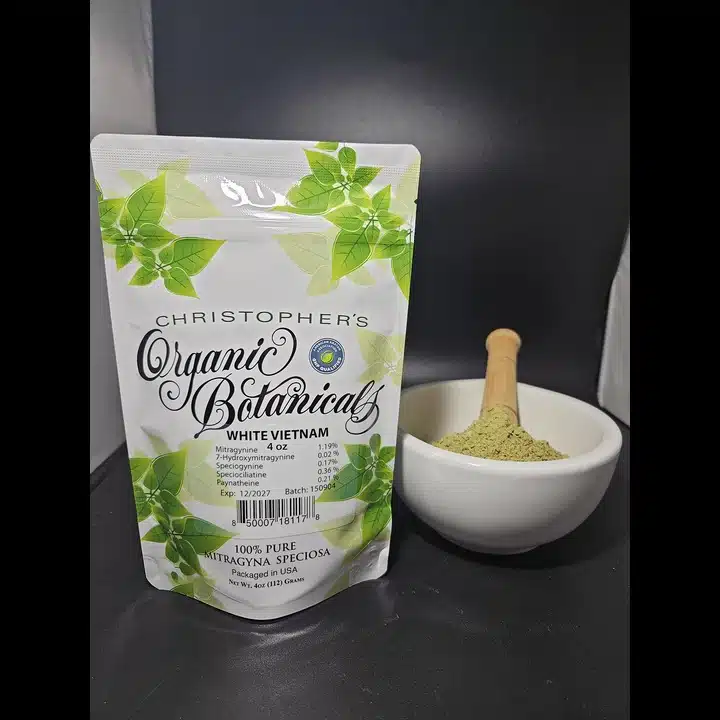
It’s crucial to highlight that not all kratom products are created equal. Consumers need to be educated about the differences in quality and sourcing. High-quality, ethically sourced kratom can offer beneficial effects, while low-quality or synthetic versions can pose significant risks. This point emphasizes the need for regulations that protect consumers without banning natural kratom.
Additionally, the debate around kratom often touches on broader issues of regulation and access to natural remedies. With increasing interest in alternative therapies, many are advocating for clearer guidelines that allow for safe consumption of kratom while preventing harmful synthetic products from flooding the market. Advocates suggest that establishing a regulatory framework could promote safe use and further research into kratom’s benefits and risks.
The action taken by the FDA not only protects consumers but also reinforces the need for a well-regulated market where natural products can thrive without the threat of harmful synthetic alternatives. As advocates for natural remedies, we must ensure that the focus on safety and education continues to evolve alongside consumer needs and scientific advancements.
Lastly, the ongoing research into kratom’s effects and safety profile is essential. As scientists and health professionals continue to study the plant, new findings could provide valuable insights into its potential therapeutic benefits. It’s critical for both users and regulators to stay updated on these developments to foster a well-informed community around kratom use.
The FDA compiled this report to examine the growing public health concerns surrounding 7-hydroxymitragynine (7-OH) — a potent opioid compound found in extremely small amounts in natural kratom leaves but often chemically enhanced in certain kratom-derived products now sold in the U.S.
Here is the following summary of the document titled: 7-Hydroxymitragynine (7-OH): An Assessment of the Scientific Data and Toxicological Concerns Around an Emerging Opioid Threat
⚗️ What is 7-OH?
- Natural Source: A minor metabolite in kratom (Mitragyna speciosa), typically <0.05% by leaf weight.
- Potency: Strong mu-opioid receptor agonist — more potent than morphine.
- Synthetic Conversion: Most commercial 7-OH is likely synthetically derived from mitragynine via chemical oxidation. Pool Shock was found in some formulations.
Key Concerns
- Emergence of Enhanced Products:
- Many products on the market contain unnaturally high levels of 7-OH.
- Sold as gummies, tablets, shots — often directly marketed as 7-OH.
- Health Risks Identified:
- Respiratory depression
- Physical dependence
- Withdrawal symptoms
- Addiction potential
- Epidemiological Data:
- National Poison Data System (NPDS) reported 53 exposure cases (Feb–Apr 2025), mostly intentional abuse.
- DEA data shows rising fatalities where 7-OH was detected.
- Social media and forums discuss euphoric effects, withdrawals, and overdose risks.
Scientific Findings
- Binding & Function:
- High binding affinity to mu-opioid receptors.
- Acts as a full opioid agonist in various lab tests.
- Animal Studies:
- Causes reward behavior (Conditioned Place Preference, Self-Administration).
- Mimics morphine in drug discrimination tests.
- Leads to withdrawal and tolerance.
- Greater potency than morphine across most models.
⚖️ Regulatory Implications
- FDA argues 7-OH has a clear opioid profile with high abuse potential.
- Due to synthetic enhancement and its divergence from natural kratom, the report supports urgent regulatory action targeting 7-OH specifically.
- FDA urges policy intervention to restrict access and educate the public.
Conclusion
While 7-OH isn’t technically a kratom alkaloid, its potency, synthetic enhancement, and opioid-like risks make it a separate and serious public health issue. The FDA draws a clear line between natural kratom leaf and 7-OH-enriched or artificial products, calling for swift regulation of the latter.
At Christopher’s Organic Botanicals, we’ve only ever offered pure, lab-tested, plain-leaf kratom. No synthetics. No 7-OH. No funny business. We’re committed to traditional practices, transparency, and telling the truth — even when it’s unpopular.
Today, the truth is finally catching up. And the leaf remains safe.
Listen to the FDA Direct Podcast for more information.
???? Want to learn more about natural kratom? Join our Weekly Tea Talks every Wednesday at 7 PM EST on Zoom.
Listen to the entire press conference.
You can check out the FDA 7-OH Products website for more information about ongoing events.
Christopher Deaney
Founder, Christopher’s Organic Botanicals
Advocate for Natural Remedies & Kratom Education