
Understanding Kratom’s Relationship with Key Brain Receptors
What Science Says About How Kratom Interacts with the Body and Key Brain Receptors
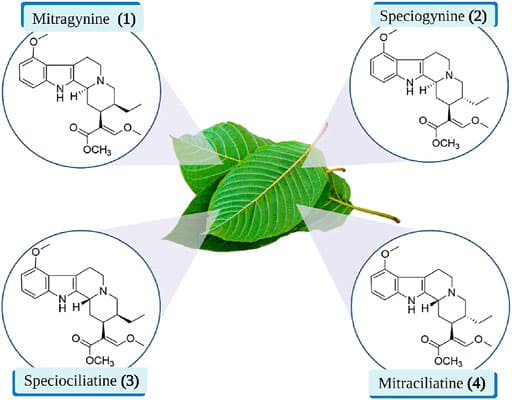
At Christopher’s Organic Botanicals, we believe in transparency and education. Understanding how the kratom leaf works in the body is essential for anyone curious about this traditional Southeast Asian tea. While kratom’s full effects are still being studied, researchers have identified how its natural alkaloids — especially mitragynine — interact with several important receptor systems in the human brain.
Key brain receptors play a significant role in how kratom affects the body, and understanding this interaction is essential.
The relationship between kratom and key brain receptors is crucial for understanding its effects and potential benefits.
At Christopher’s Organic Botanicals, we are dedicated to providing you with comprehensive knowledge about kratom. This ancient herbal remedy has garnered attention for its various effects, which can range from relief to mood enhancement. In this article, we will delve deeper into the science behind how kratom interacts with the body, particularly focusing on its interaction with key brain receptors.
Kratom’s interaction with key brain receptors can lead to various outcomes, emphasizing the importance of these receptors in its use.
Key Brain Receptors and Their Role in Kratom’s Effects
Understanding these interactions is crucial, especially for those considering kratom for personal use. We will explore not only the receptors involved but also provide context, examples, and insights into how these interactions can manifest in everyday experiences.
Particularly, the way kratom interacts with key brain receptors impacts user experiences significantly.
To further understand kratom’s effects, it’s useful to explore its cultural significance in Southeast Asia. Traditionally, kratom leaves have been chewed or brewed into tea by laborers seeking increased endurance and relief. This practice has deep roots in the communities where kratom is grown, emphasizing its role not just as a herbal remedy but also as a cultural staple.
The influence of kratom on key brain receptors can provide insights into its potential for emotional support.
Here’s a simple breakdown of kratom’s relationship with different receptors:
Understanding the effects of kratom on key brain receptors helps clarify its calming properties.
The impact of kratom on key brain receptors can enhance focus and motivation for users.
Users are often interested in how kratom interacts with key brain receptors to understand its effects.
The relationship of kratom with key brain receptors sheds light on its potential mood-enhancing effects.
Understanding kratom’s interaction with key brain receptors can benefit users seeking productivity without jitters.
For instance, individuals who consume kratom often report various effects influenced by adenosine receptors. While these receptors do not exhibit a strong binding affinity with kratom, this does not mean the plant lacks potential benefits. Rather, users may find that kratom provides an energy boost or a calming effect through different mechanisms than traditional stimulants.
Key brain receptors are pivotal in explaining kratom’s unique properties compared to traditional opioids.
The relationship between kratom and serotonin receptors is particularly interesting. Users often describe feelings of emotional stability, which could be attributed to the mild influence of kratom on the 5-HT receptors. This is significant for those who seek a natural alternative for mood regulation and emotional support.
Kratom’s effects on key brain receptors offer users an alternative for enhancing motivation and concentration.
Adenosine Receptors
The adenosine receptors play a crucial role in the body’s response to stress and relaxation. Understanding how kratom interacts with these receptors can shed light on its non-stimulant properties. For instance, while caffeine provides a quick energy boost by blocking adenosine receptors, kratom’s subtle action might help users feel more relaxed and focused without the jitteriness often associated with caffeine consumption.
Key brain receptors play a role in the calming effects kratom users often experience.
Understanding kratom’s influence on key brain receptors can enhance user experiences and expectations.
Kratom’s potential effects on dopamine receptors can also be observed in real-life scenarios. For example, individuals may experience enhanced focus or motivation when using kratom, which could make it a popular choice among students or professionals looking for a natural cognitive enhancer.
Adenosine receptors are involved in regulating sleep and relaxation. (This is the same system affected by caffeine.) Kratom does not strongly bind to these receptors, which suggests its energy-boosting or calming effects come from other mechanisms — not the same pathway as coffee.
Furthermore, the interaction with key brain receptors signifies kratom’s potential for natural relief.
Exploring the serotonin receptor interaction further, it’s compelling to note that many herbal remedies traditionally used for mood enhancement, such as St. John’s Wort, also target these receptors. This commonality may suggest that kratom could similarly assist those looking to achieve a more balanced emotional state, especially in stressful times.
Notably, the interaction with adrenergic receptors may explain why some users report a calm yet alert state. This is particularly beneficial for those who want to maintain their productivity during stressful tasks without the jitters often associated with caffeine.
Serotonin Receptors (5-HT)
The nuanced effects of kratom on opioid receptors are crucial to understanding its unique properties. Unlike conventional opioids, kratom’s partial agonism at mu-opioid receptors allows users to experience relief and relaxation without the high risk of addiction and the severe side effects commonly associated with stronger opioids.
Some kratom alkaloids may influence 5-HT1A and 5-HT2A serotonin receptors, which help regulate mood. However, kratom is not a serotonin reuptake inhibitor or psychedelic, and its activity here appears to be mild. This subtle interaction could explain why some users report feeling balanced or emotionally steady with kratom tea.
Dopamine, often referred to as the ‘feel-good’ neurotransmitter, is essential for motivation and pleasure. In the context of kratom use, many users report feelings of enhanced motivation and concentration, particularly when using certain strains known for their stimulating effects. This phenomenon can be traced back to the way mitragynine and related kratom alkaloids may moderate dopamine activity, potentially offering an alternative for those looking to boost their focus without resorting to conventional stimulants.
Dopaminergic Receptors (D1 & D2)
The calming effects attributed to alpha-2 adrenergic receptor activation can be particularly beneficial in today’s fast-paced world. Individuals dealing with stress may find kratom to be a more natural alternative, especially given its ability to promote relaxation while maintaining mental clarity.
Kratom may indirectly affect dopamine systems — the same neurotransmitters involved in motivation, reward, and focus. Research suggests that mitragynine may influence D1 and D2 dopamine receptors, possibly contributing to kratom’s uplifting and motivational qualities.
In summary, the exploration of kratom’s relationship with key brain receptors is vital for informed decision-making.
Final thoughts on kratom’s complex interactions highlight its potential as a versatile botanical remedy. Users should be aware of their individual responses and consult with healthcare professionals when considering its use for specific conditions.
Learning about how kratom affects key brain receptors can guide users in their journey with this botanical.
Understanding the significance of key brain receptors can enhance the overall perspective on kratom’s effects.
The effects of kratom on key brain receptors warrant further research and understanding within the community.
Furthermore, the unique interaction of kratom with opioid receptors adds to its complexity. While it provides some analgesic effects, users report fewer side effects compared to conventional opioids. This distinct mechanism of action may render kratom a safer option, particularly for those concerned about the addictive nature of traditional opioids.
For those exploring kratom, understanding its impact on key brain receptors is crucial for their experience.
Adrenergic Receptors (Alpha-2)
In summary, our commitment to providing high-quality, lab-tested kratom products aligns with our mission to educate the public. As research continues to evolve, we will keep our customers informed about any new findings regarding kratom’s benefits, uses, and safety profiles.
Mitragynine appears to activate alpha-2 adrenergic receptors, which are involved in the body’s stress and response system. Similar to certain non-opioid herbal remedies, this interaction may support a calm yet alert state — one of the reasons kratom tea is enjoyed during both work and rest.
Opioid Receptors: μ (Mu), δ (Delta), and κ (Kappa)
This is where kratom’s most notable interaction happens. Kratom is not an opioid, but it does bind to opioid receptors in unique ways:
As research continues, it is vital for users to stay informed about the evolving understanding of kratom’s effects. Studies exploring long-term usage, potential benefits, and risks associated with different strains may provide invaluable insights for both new and experienced users. Being aware of these findings could help individuals make informed decisions about their health and wellness strategies.
- Mu-opioid receptors (μ):
Mitragynine is a partial agonist at these receptors. That means they activate the receptor, but not as strongly as traditional opioids. This partial activation is thought to contribute to kratom’s natural support properties, without the heavy sedation or respiratory effects linked to synthetic drugs. - Delta-opioid receptors (δ):
Kratom’s weaker binding at this site may play a role in emotional stability and mood. - Kappa-opioid receptors (κ):
Kratom shows minimal activity here, which is noteworthy. Strong activation of kappa receptors is associated with unpleasant or dysphoric effects. Kratom’s limited influence may help explain why many people describe it as uplifting, not depressing.
In conclusion, the landscape of kratom research is vast and still developing. Users should approach kratom with curiosity and caution, ensuring they are well-informed about sourcing and product quality. Communities dedicated to sharing personal experiences and scientific findings can serve as valuable resources for anyone looking to explore kratom more deeply.
For those interested in diving deeper into the world of kratom, consider exploring its various strains. Strains such as Maeng Da, Bali, and Borneo each have unique profiles, offering different benefits ranging from relief to enhanced energy levels. Understanding these variations can significantly enhance your experience and outcomes when using kratom.
Final Thoughts from Christopher’s Organic Botanicals
The way kratom interacts with the brain is complex — and still being researched. What we do know is that pure, lab-tested plain leaf kratom contains naturally occurring compounds that engage with several systems in the body. This combination of receptor activity sets kratom apart from other herbs and gives it a unique place in the world of botanical wellness.
As always, we recommend starting low and going slow, choosing only trusted sources, and staying informed as more research continues to emerge.
Want to learn more?
Visit our Kratom Education Page or contact us directly for information about our sourcing, testing, and commitment to transparency.
Statements are rooted in traditional homeopathic, herbal, and plant-based practices (phytotherapy), and are not derived from modern allopathic medical theories or practices.





1 comment
kratom butterfly
Thank you. The more education the better and the more we talk about it the more educated we’ll be.